Collection: RC Airplanes
RC Airplanes for Hobbyists & Beginners
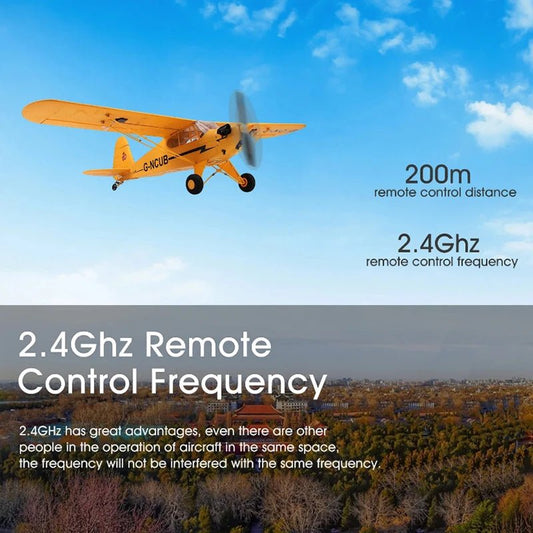
Browse our range of RC airplanes, from gentle foam trainers to classic WWII warbirds. Each model features durable EPP or foam construction, reliable 2.4GHz control, and designs suited for parks, fields, and backyard flying.
Choose Your Flying Style
-
Beginner trainers: High-wing designs like the A160 J3 Piper Cub offer gentle flight characteristics and easy recovery from mistakes.
-
Scale warbirds: The Volantex Spitfire and F4U Corsair recreate iconic WWII aircraft with brushless power and gyro stabilization.
-
Sport planes: For pilots who want speed and aerobatics, our brushless sport planes deliver fast, responsive flight.
-
Gliders: Hand-launch foam gliders like the P320 offer relaxing, low-cost flying with minimal setup.
Key Features Across Our Range
- Gyro stabilization for easier control
- Durable EPP foam resists crash damage
- RTF (Ready-to-Fly) setup included
- Brushless motors for longer flight times
- 2.4GHz interference-free control
Frequently Asked Questions
What is the easiest RC airplane for a complete beginner?
High-wing trainers such as the A160 J3 Piper Cub are the easiest to learn on. The high wing position makes the plane naturally self-stabilizing, and gyro assistance helps keep it level, so beginners can recover from mistakes more easily than with low-wing sport planes or warbirds.
What does a channel count mean on an RC plane?
Channels refer to the number of controls the plane responds to. A 3-channel plane typically controls throttle, rudder, and elevator, while a 4- or 5-channel plane adds ailerons for banking turns and more precise control. More channels give greater maneuverability but take more skill to fly.
Do I need to assemble the RC airplane before flying?
Most of our airplanes are RTF (Ready-to-Fly), meaning they arrive almost fully assembled with only minor steps such as attaching the wing or propeller. The transmitter and battery are included, so setup usually takes just a few minutes before the first flight.
Can RC airplanes handle windy conditions?
Light foam trainers fly best in calm conditions or a very light breeze. Heavier brushless warbirds and sport planes handle wind better because of their weight and power. As a general rule, beginners should wait for calm weather until they are comfortable with the controls.
What is EPP foam and why is it used?
EPP (expanded polypropylene) is a lightweight, flexible foam that absorbs impacts without shattering. It is widely used for RC airplanes because it survives crashes far better than rigid materials, making it ideal for beginners who are still learning to land.